

Training and Courses
Courses 2026:
(more information below)
Grassland restoration & creation - 12th June (Dartmoor, Devon)
Sedge identification - 1st & 2nd July (Nr Tiverton, Devon)
Surveying grasslands out of season - 23rd October (Chagford, Devon)
Vegetative grass identification - 19th & 20th November (Chudleigh, Devon)
Using the ‘Vegetative Key to British Flora (Poland & Clement)’ - 25th November (Exeter)
Winter twig identification - 28th November (Exeter)
Grass identification for beginners - 1st December (online) FREE
Surveying Grasslands out of Season
23rd October 2026 - Chagford, Devon
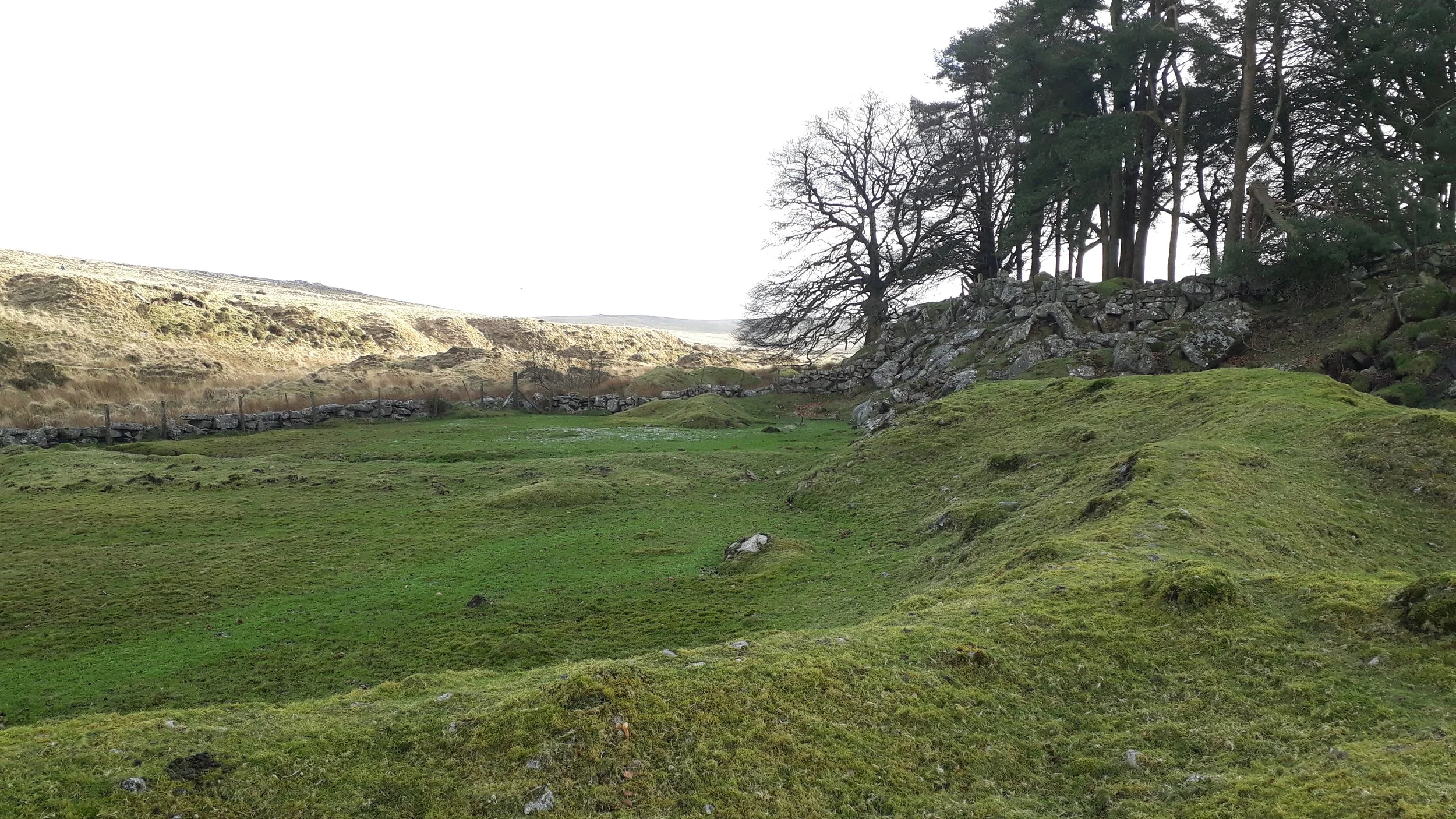
This course is likely to be of interest to ecological consultants, farm advisers, land managers and conservationists that are required to visit sites throughout the year.
We will spend time looking at physical attributes of grasslands and indicator species to help build a picture of grassland type and condition at unfavourable times of year. We will be based at Chagford, kindly hosted by The Dartmoor Shepherd. We will spend a small amount of time indoors before visiting local grassland sites.
We will spend some time looking at plant identification but this course will focus on indicator species and assessing grassland habitats.
Using 'The Vegetative Key to the British Flora'
25th November - Exeter
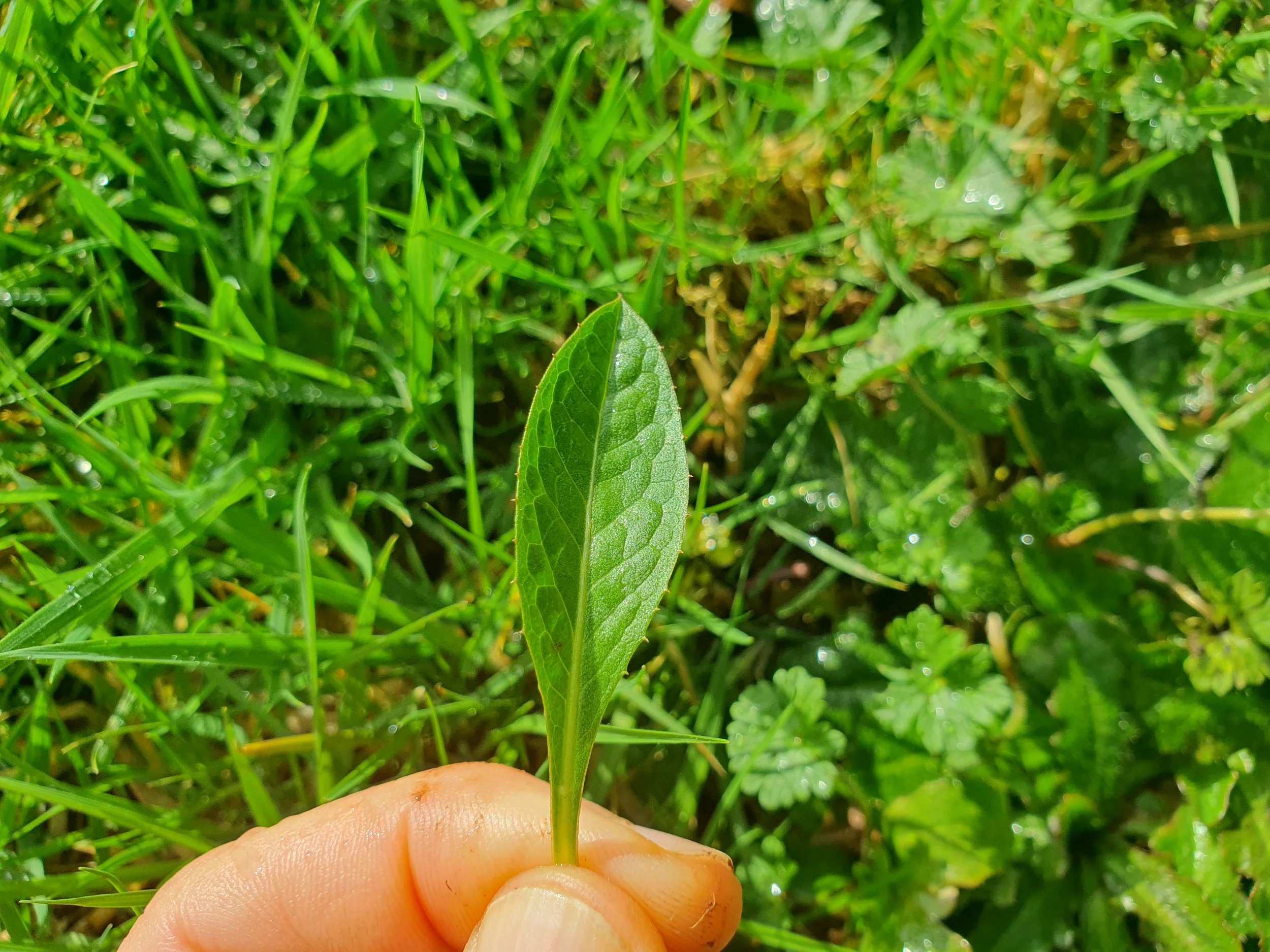
This one day course is likely to be of interest to ecological consultants, farm advisers, land managers and conservationists that are required to visit sites and carryout habitat surveys/assessments throughout the year.
The 'Vegetative Key' by Poland and Clement is an amazing resource helping to correctly identify plants when no flowering structures are present. Not only exceptionally useful in winter but also in spring and summer when flowers have been cut or grazed.
We will spend time using the key indoors to get familiar with it using pre-collected samples. We will then head outdoors in the afternoon to a local site to continue practicing using the key, building further confidence.
Vegetative Grass Identification
19th & 20th November - Chudleigh, Devon
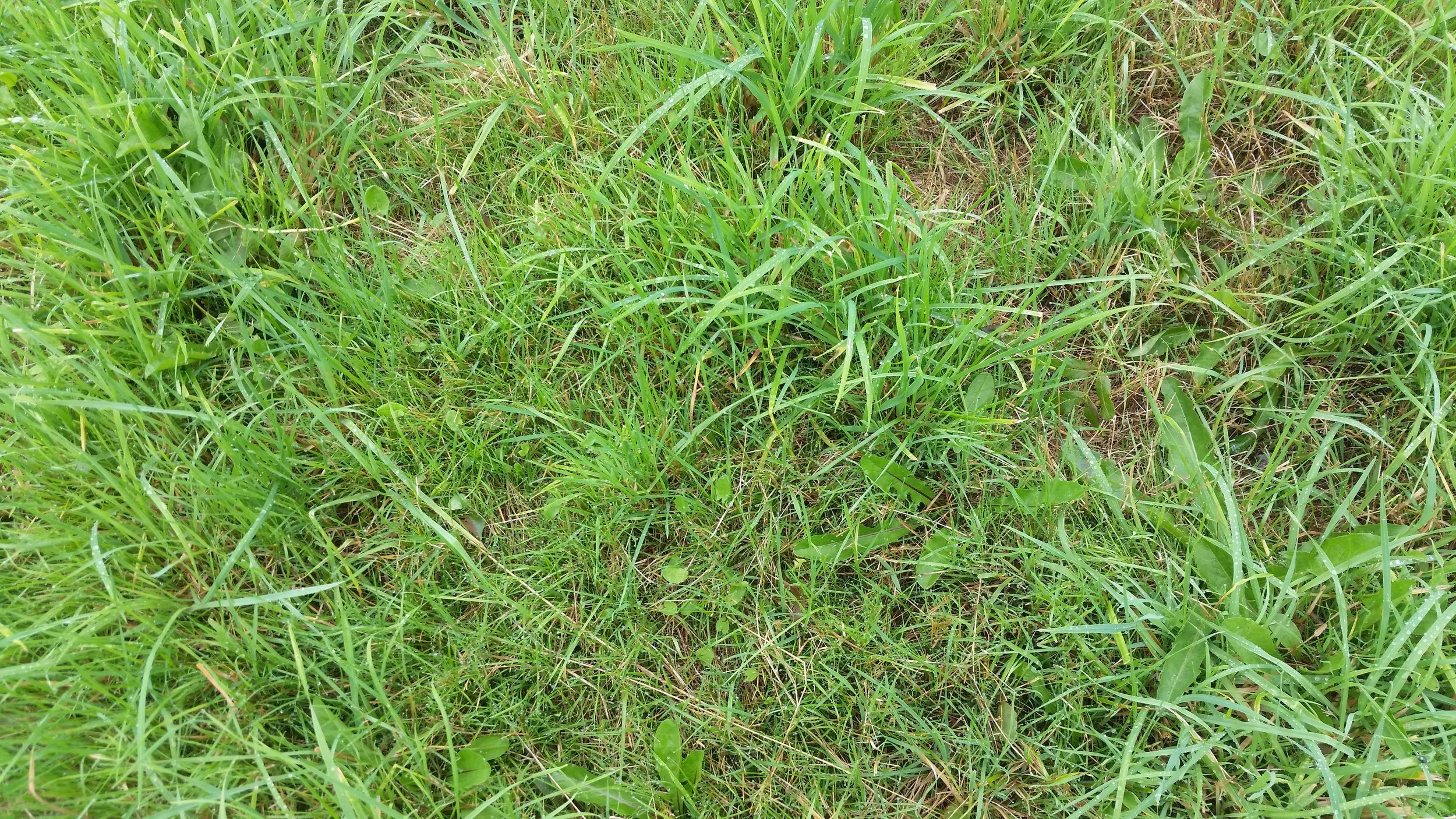
A two-day course perfect for those looking to build their confidence on vegetative (non-flowering) grass identification. Although important in winter this skill is useful all year round for habitat surveys.
This course is likely to be of interest to ecological consultants, land managers, conservationists and those interested in plants generally! It is likely to be valuable to those wanting to get in some practice for a Field Identification Skills Certificate (FISC) assessment.
Build your confidence in vegetative grass structure, using keys to identify grasses and learning how to recognise the most common species. We will look at grass samples indoors but will also visit several sites within the local area to cement our learning.
Winter Twig Identification
28th November - Exeter
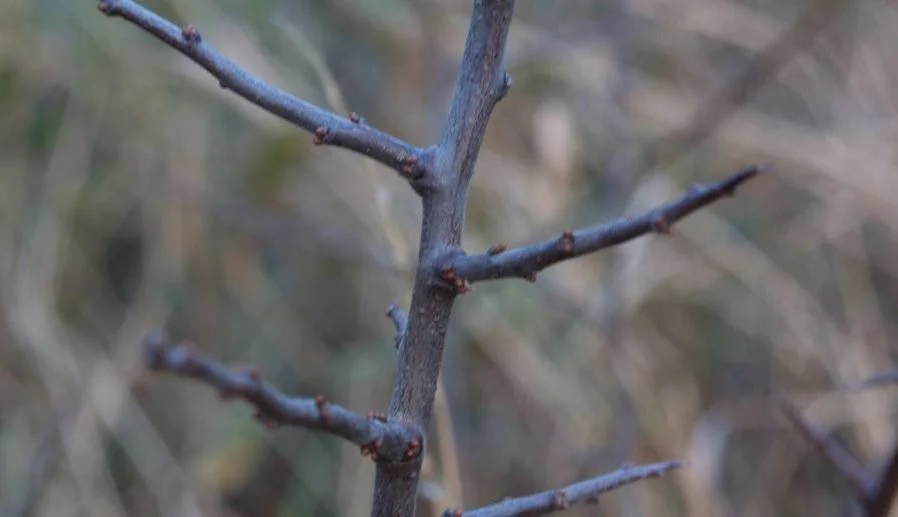
This one-day course is for anyone wanting to learn about braodleaved tree identification in winter. It is sutiable for beginners.
We will spend the morning looking at winter twigs indoors where we will start using keys to help us provide accurate identifications. We will largely focus on native species and those widely naturalised. After lunch we will head outdoors to see additional species and consolidate our learning from the morning.
Grass Identification for Beginners
1st December (online)

This online course is for beginner botanists wanting to build their confidence in grass identification. It is likely to be of interest to ecological consultants, land managers, conservationists and those interested in plants generally!
We will look closely at 20 of the most common grasses in the UK focusing on flowering and vegetative (non-flowering) features as well as typical habitats and associated species.
Grassland Restoration & Creation
12th June 2026 - Dartmoor, Devon
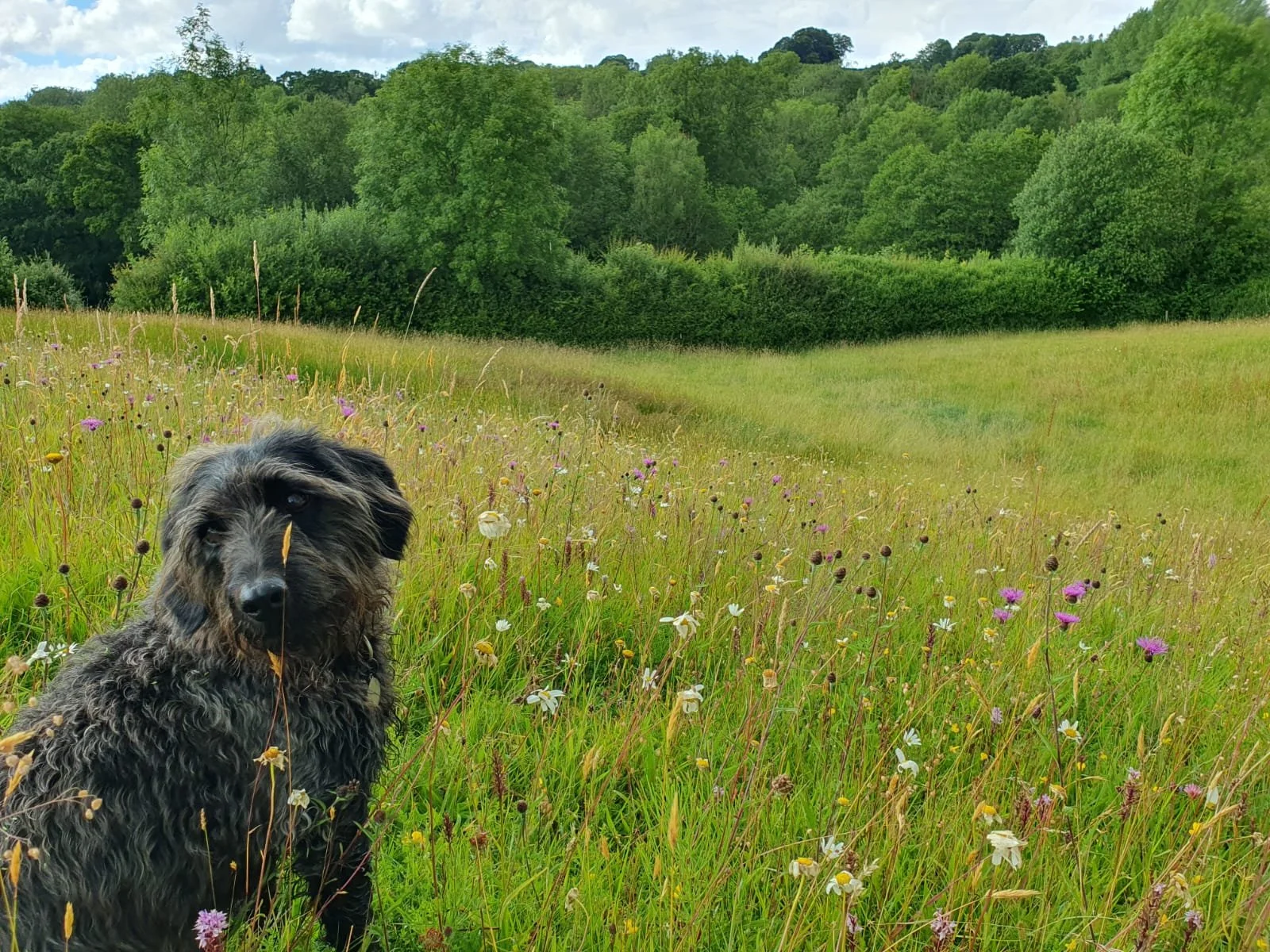
This course is likely to be of interest to ecological consultants, farm advisers, land managers and conservationists.
There is great need and desire nationally to create and restore species-rich grassland be it for conservation projects, Biodiversity Net Gain (BNG), agri-environment schemes or rewilding.
There are numerous methods available but the most suitable will vary from site to site depending on practicability, baseline condition, timescales and resources. During the course we will look at restoration methods, constraints, monitoring and measuring success. We will visit local Devon Wildlife Trust reserves which have been restored in recent years. There will also be machinery demonstrations to highlight specific processes including seed harvesting.
Grassland restoration can be exceptionally successful and rewarding, but can also be unsuccessful and frustrating. We aim to increase confidence and project success through sharing experience and knowledge.
Sedge Identification
1st & 2nd July 2026 - Nr Tiverton, Devon
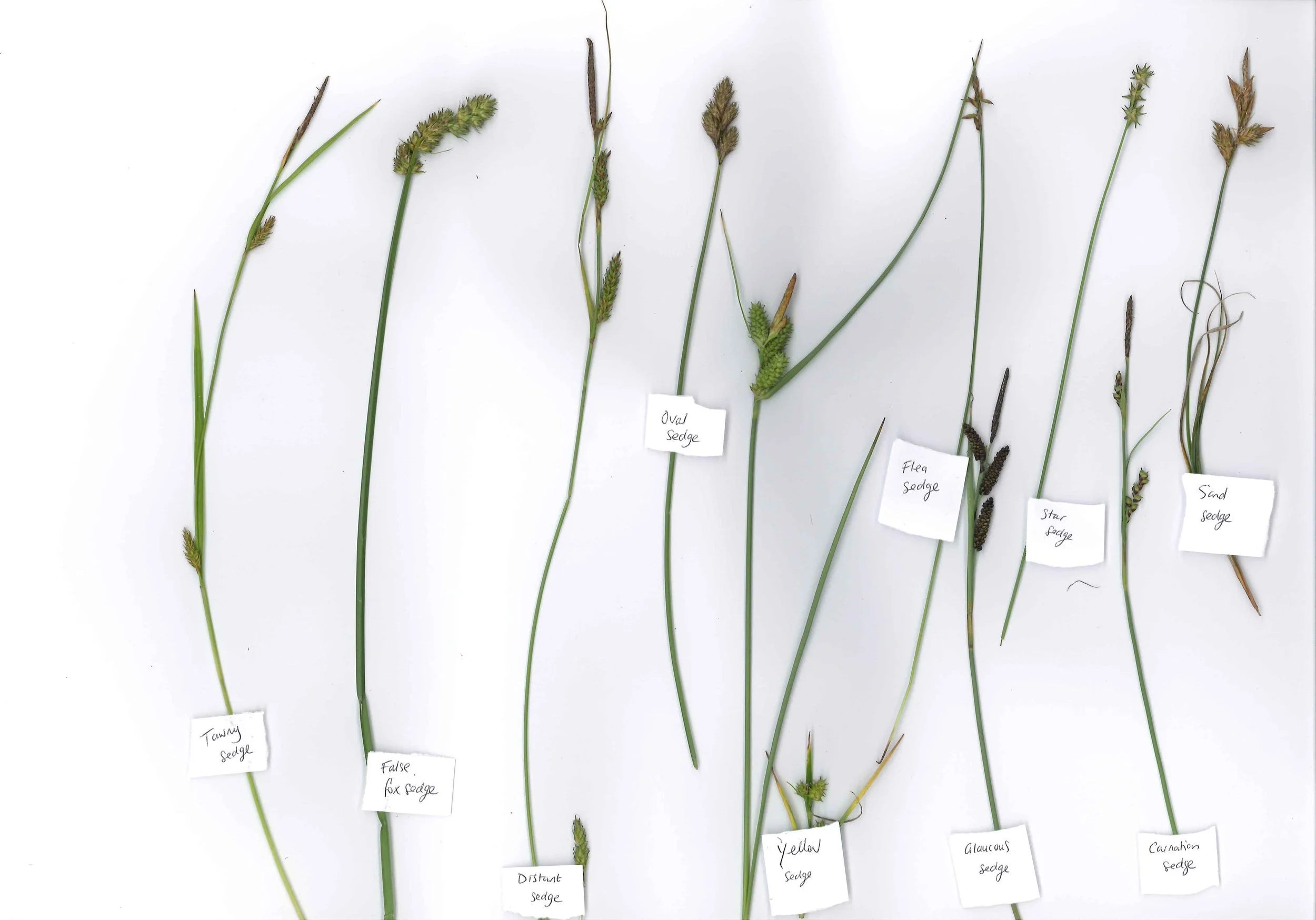
This two-day course is for anyone wanting to learn about sedges (Cyperaceae family). It is likely to be of interest to ecological consultants, land managers, conservationists and those interested in plants generally! Will be of value to those wanting to get in some practice for a Field Identification Skills Certificate (FISC) assessment.
This course will help build your confidence in sedge structure (vegetative and flowering), using keys to identify sedges and learning how to recognise the most common species. We will be based at Rose Ash Village Hall where we will look at sedge samples indoors but will also visit several sites within the local area to see sedge-rich habitats to cement our learning.
Bespoke ID and habitat training

We can provide bespoke training courses for individuals or groups, either in Devon or elsewhere. Options include:
Vegetative grass ID
Grassland plant ID
Woodland plant ID
Arable plant ID
NVC
FISC preparation
Get in touch to discuss potential ideas!
Online learning resources
Hannah has been working closely with community conservation group, Moor Meadows over the last few years. We have produced a few plant identification videos together including this one on grass ID for beginners.
Check out the Moor Meadows YouTube channel for further ID videos plus videos on other grassland related topics.

Teylu Ecology - Led by Nature